₿ BITCOIN47.COM
What Is Bitcoin? A Plain-English Explainer
Bitcoin explained from first principles: what it is, why it exists, and what the 47th presidency era means for US Bitcoin policy.
The One-Sentence Version
Bitcoin is a form of money that no single person, bank, or government controls — with a fixed supply of 21 million units enforced by math and consensus rather than policy.

Why Bitcoin Exists

Bitcoin was created in 2009 by a pseudonymous developer called Satoshi Nakamoto — in the immediate wake of the 2008 financial crisis. It was a direct response to two structural problems in modern monetary systems:
- Counterparty risk — banks can fail, governments can freeze accounts
- Monetary inflation — central banks can create money, diluting existing savings
Bitcoin’s design makes both impossible at the protocol level. No one can create more Bitcoin beyond the 21 million cap. No one can seize it without the private key.
Fixed supply: 21,000,000 BTC total. Hard-coded in the protocol.
Launched: January 3, 2009 (Bitcoin genesis block)
Divisibility: Each Bitcoin divides into 100,000,000 satoshis (sats)
Control: Whoever holds the private key controls the Bitcoin — no account required
Censorship resistance: No entity can block or reverse a valid transaction
Why People Own Bitcoin
| Reason | What It Means in Practice |
|---|---|
| Store of value | Fixed supply makes Bitcoin a potential long-term savings vehicle |
| Self-custody | Hold and transfer value without a bank, broker, or institution |
| Portability | Send any amount globally in minutes, with no geographic restrictions |
| Programmability | Second-layer networks (like Lightning) enable instant small payments |
| Sovereignty | Property rights enforced by math, not by law or jurisdiction |
| Inflation hedge | Supply-capped asset vs. unlimited-supply fiat currency |
The 47th Presidency and Bitcoin Policy
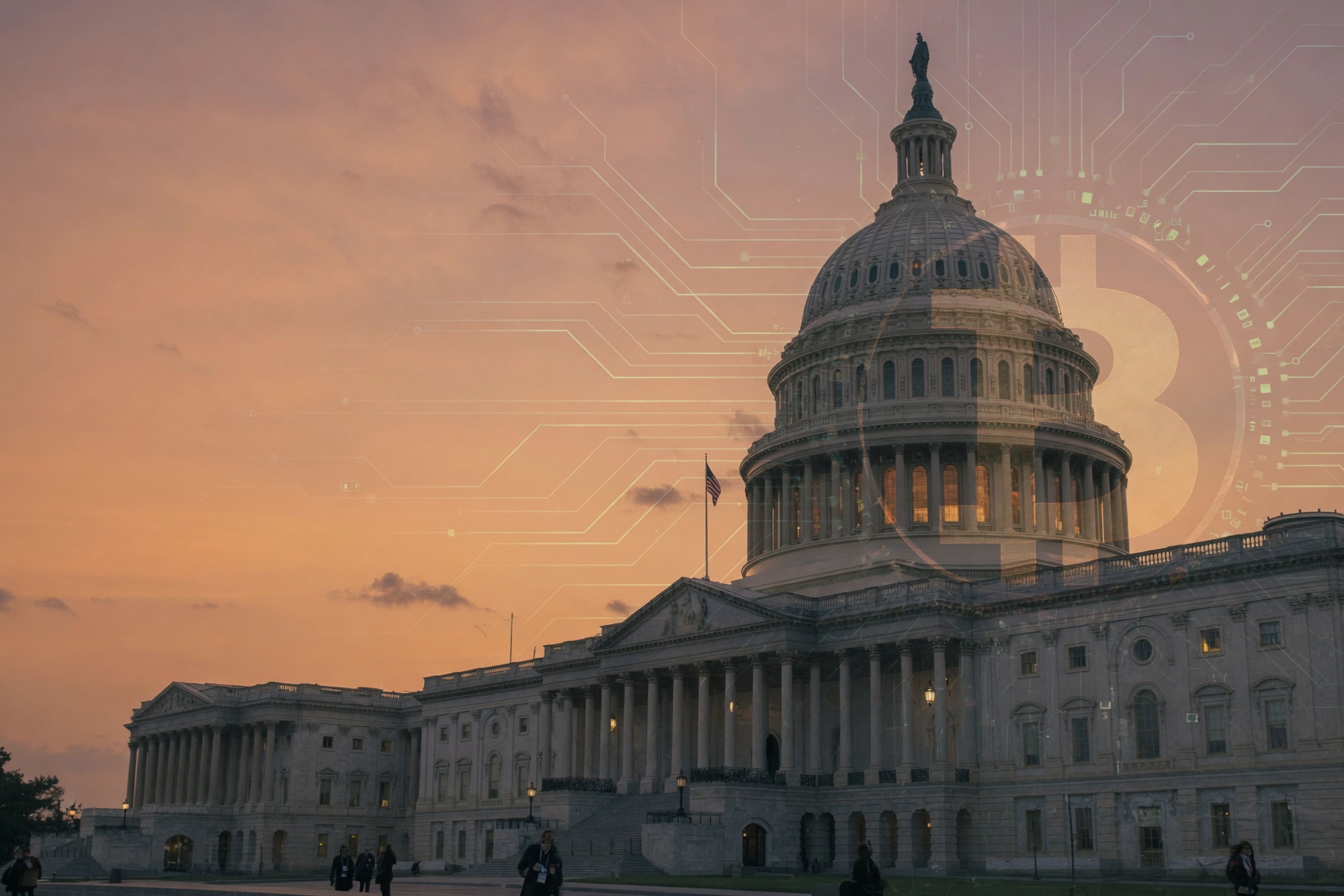

Bitcoin’s properties exist regardless of who holds political office. But policy shapes the environment in which you operate as a holder.
The 47th presidency has been notable for shifting the federal posture toward digital assets. Publicly documented events include:
- Discussions of a US Strategic Bitcoin Reserve at the executive and legislative level
- SEC leadership changes shifting enforcement posture from “regulation by enforcement” toward framework development
- Congressional bills addressing stablecoin regulation, digital asset classification, and Bitcoin custody rules for financial institutions
- Treasury and OCC guidance reviews on crypto-asset treatment at US banks
This site does not characterize any administration’s policy as an endorsement of Bitcoin, nor does it treat Bitcoin as politically partisan. Bitcoin operates on math, not politics. We report publicly documented context only.
Start Learning
These books explain Bitcoin in greater depth than any article can:
- The Bitcoin Standard — The most complete “why Bitcoin” argument in print. Essential reading before any serious allocation.
- Digital Gold by Nathaniel Popper — Narrative history of Bitcoin’s first decade, from Satoshi’s whitepaper through the Silk Road and early Wall Street interest. Reads like a thriller.
- The Bullish Case for Bitcoin by Vijay Boyapati — Originally a viral essay; now available as a short book. Best investment thesis summary written for a general audience.
- Inventing Bitcoin by Yan Pritzker — 100 pages on how Bitcoin actually works. The fastest technical education available without requiring a computer science degree.
Contains Amazon affiliate links — we earn commissions on qualifying purchases at no extra cost to you. Not affiliated with Donald Trump, any campaign, or any government office. Full disclosure →